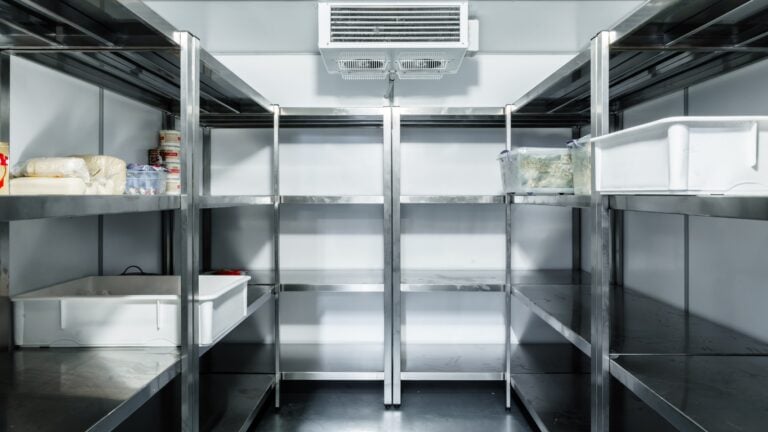
In supermarkets, busy fast-food and restaurant kitchens, refrigeration units, from large display freezers to compact undercounter fridges, are the backbone of safe food storage. A regular commercial fridge maintenance schedule is essential to meet food safety standards and keep ingredients fresh and ready to use.
Keeping commercial fridges running at their best is not as simple as it may seem. Technical faults, financial pressures related to energy use, worn components like damaged fridge seals, and inconsistent temperatures are only part of the picture.
This blog looks at the problems food businesses and facility managers regularly face when maintaining their commercial refrigeration systems. It focuses on the areas that most often cause trouble, including door fridge seals, temperature control, efficiency, and compliance.
Commercial fridge maintenance: the problems facility managers have to deal with
Managing and maintaining commercial fridges at scale or across different locations can present a set of challenges:
- Technical challenges: Equipment issues in commercial fridges
- Operational & logistical challenges: downtime, staffing, and scheduling
- Temperature control and compliance: food safety at stake
Technical challenges: equipment issues in commercial fridges
Commercial refrigeration systems are complex pieces of equipment that require consistent upkeep. Several technical problems can arise that complicate maintenance and threaten smooth business operations:
Temperature fluctuations
A frequent problem is inconsistent internal temperatures. Thermostats fail, airflow gets blocked, insulation weakens, or staff open the doors more often than the system can handle. Even something as simple as a damaged or misaligned door seal allows cold air to escape and warm air to creep in. Once the temperature starts drifting outside the safe range, food quality is at risk.
Ice buildup
Ice that forms on evaporator coils or interior surfaces is more than a minor inconvenience. Ice buildup usually points to issues with the defrost cycle or to warm, humid air finding its way into the cabinet. Walk-in units are especially prone to this when their doors do not seal properly. Frost around the frame can thicken over time, restricting airflow and insulating the coils.
Refrigerant leaks
A slow leak in the refrigerant line reduces cooling capacity and undermines efficiency long before anyone notices a warm cabinet. Low refrigerant forces the compressor to work harder for the same result, which increases temperatures inside the unit and raises the risk of compressor failure.
Dirty coils and components
Kitchens are tough environments for refrigeration equipment. Dust, grease, and debris accumulate on condenser and evaporator coils, blocking proper heat exchange. When coils are dirty, the system cannot release heat efficiently and ends up running longer to maintain target temperatures. Compressors and fans then face additional strain.
Door gasket wear and air leaks
One often overlooked technical issue is worn or damaged door gaskets. Over years of heavy use, the rubber gasket (or any other type of gasket) around fridge doors can crack, loosen, or accumulate grime, preventing an airtight seal. When the door doesn’t seal fully, warm air sneaks into the cabinet, causing condensation and even mould growth around the seams.
Persistent air leaks affect fridge efficiency and are among the most common causes of rising energy bills in food businesses. They are often solved by simply replacing a single worn gasket. And guess what? You don’t even need a repair service provider. Replacing the door gasket is quick and easy. Follow our guide on how to change a fridge door seal like a pro!
Operational & logistical challenges
Beyond equipment failures, operational and logistical factors make commercial refrigerator maintenance challenging for food businesses. Restaurants, supermarkets, and multi-site organisations operate on tight schedules where even minor refrigeration issues, like a worn fridge seal, can create ripple effects across the business.
Unplanned downtime disruptions
Refrigeration failures rarely happen at convenient times. One fridge breaking down in the middle of a busy service can throw an entire team off balance. Food prep slows, routines are disrupted, and supermarket shelves can end up half empty. When that happens, staff often have to scramble to relocate perishable goods into backup units, coolers, or temporary cold storage.
When fridge components like fridge seals or PVC curtains are not replaced on time, especially across multiple sites, the risk of unplanned downtime increases. A damaged seal forces units to work harder, accelerates component wear, and raises the likelihood of a full system failure.
For large estates, one overlooked seal in a neglected cooler can become the weak link that triggers a costly breakdown. In supermarkets, every hour a display case is offline can mean hundreds of pounds in lost sales. Planned maintenance and proactive seal management are essential to preventing this kind of disruption.
Challenges in scheduling maintenance
Finding time for refrigeration maintenance is difficult even for single-site businesses, and much harder for organisations with multiple locations. Many food operations run long hours or 24/7, leaving little downtime for servicing equipment.
For multi-site operators, coordinating seal replacements adds another layer of complexity:
- Different sites may use different fridge models, requiring careful tracking of the correct seal types.
- Some outlets may have space or access limitations that delay or complicate replacement work.
- Audit deadlines vary across sites, increasing the need for planned, cyclical inspections.
This is why multi-site managers are better off treating seal replacements as a planned part of their maintenance routine instead of something they deal with only when a problem appears. Folding seal checks into regular compliance inspections and keeping central records of when each unit was last serviced makes it far easier to stay on top of every location.
Skipping scheduled work, even something as small as a seal replacement, greatly increases the risk of a more disruptive breakdown at a peak time.
Staffing and training
Frontline staff play a critical role in monitoring refrigeration daily, but they’re not always trained to identify early warning signs, like a slight door gap caused by a failing seal, or temperature creep from air leakage. In busy environments, these small issues are easy to miss until they escalate.
Across multi-site estates, uneven staff training often results in very different maintenance standards. One branch might be thorough with routine checks while another lets small issues build until they turn into urgent repairs.
Logistics of repairs and parts
When refrigeration equipment needs repair, logistics become another operational challenge. Sourcing the correct replacement components, especially seals for a wide variety of fridge models across multiple sites, can cause delays if not managed centrally.
Coordinating technicians across multiple sites is also demanding. Each location may require access at different times or have different operational constraints.
Temperature control and compliance: food safety at stake
Accurate temperature monitoring, routine servicing, regular inspections and prompt repairs form the backbone of compliant refrigeration. A proactive approach ensures equipment performs reliably, supports HACCP processes, and protects the business from avoidable failures. Put simply, temperature control is a critical type of maintenance to:
Keep consistent safe temperatures
Perishable foods must be stored below strict limits. Even a small rise caused by wear and tear, faulty calibration, or leaking door seals can put food into the “danger zone,” accelerating bacterial growth.

Inspections, logs & HACCP
Health inspectors closely examine refrigeration performance, temperature records, and the physical condition of components like door gaskets. A split or mouldy seal, condensation, or poor cleanliness can signal deeper issues. Your inspection result will then be displayed publicly as a food hygiene rating. If there is an issue, this could damage your reputation.
Avoid consequences of non-compliance
If a fridge consistently operates above safe limits, businesses may face fines, forced disposal of stock, or even temporary closure. Beyond enforcement action, the long-term risk is far greater: a foodborne illness incident can damage consumer trust and lead to legal consequences.
How fridge seals can affect commercial fridge maintenance and efficiency
Several of the issues mentioned above can stem from damaged fridge seals. Despite being a small component of a refrigeration unit, they play a crucial role in maintaining fridge efficiency and food safety. Here’s why fridge seals matter in commercial fridge maintenance:
- Maintain safe, consistent temperatures: A tight door seal stops warm air from entering the cabinet. This prevents temperature fluctuations that can lead to food spoilage, HACCP failures, and health and safety risks.
- Reduce energy use & operating costs. Damaged seals let cold air escape, forcing the fridge to work harder. This increases energy consumption and accelerates wear and tear on key components.
- Prevent avoidable breakdowns. Air leaks cause ice buildup, strain compressors, and trigger avoidable faults. Worn seals are often the root cause of bigger technical issues.
- Improve compliance & inspection results. Inspectors check door gaskets because they indicate how well a unit is maintained. Split, mouldy, or perished seals suggest poor hygiene or unstable temperatures.
- Simplify multi-site maintenance. In large estates, a single neglected seal can cause operational disruption and stock loss. Keeping seals in good condition and replacing them early reduces logistical headaches. Find out additional advice for efficient multi-site maintenance in our Guide to Managing Fridge Seal Replacement Across Sites.
Key actions for efficient commercial fridge maintenance
Effective commercial fridge maintenance depends on a proactive, well-structured maintenance plan that helps facility managers reduce breakdowns, control energy use, and maintain food safety across every site.
- Implement a planned preventative maintenance schedule to reduce reactive repairs and prevent avoidable breakdowns.
- Check and replace fridge seals and PVC curtains regularly, as worn gaskets are a leading cause of air leaks, temperature drift, and energy waste. Ensure you choose high-quality seals for long-lasting performance.
- Train frontline staff to spot early warning signs such as condensation, gaps in seals, or rising temperatures. Providing clear guidance and regular training maintenance activities, the right part numbers, and simple checklists for every location helps local teams and facility managers recognise seal problems early and request replacements without confusion.
- Use simple maintenance checklists at each site to ensure consistent standards across teams and locations.
- Create a centralised equipment database. Maintaining a database of equipment across your estate, bulk-ordering seals, and working with a supplier who stocks your parts in advance helps eliminate these delays. Without this, a unit may sit idle for days waiting for a specific seal or component.
- Bulk-order commonly used spare parts, especially seals, to avoid delays and keep units in service.
- Work with a reliable supplier who can dispatch the correct parts quickly and understands your estate’s needs. Ensuring consistency and timely repairs and replacements across an entire portfolio is far easier when working with a trusted partner who understands your estate and provides fast dispatch and reliable turnaround.
- Clean fridge seals, coils and vents routinely using tools like a soft brush to maintain airflow and efficiency. Regular cleaning of coils, vents, and fan assemblies is one of the simplest ways to keep refrigeration units energy efficient, yet it is often overlooked during busy periods.
- Monitor temperatures daily and log readings to support HACCP compliance and spot issues early. Regular maintenance, including checking thermostats and airflow, helps ensure equipment keeps running smoothly and prevents breakdowns that compromise food safety.
- Airflow Check: Ensure that air vents and fans inside the unit are not blocked by stored products.
- Thermostat Calibration: Testing and calibrating the thermostat and temperature controls.
Conclusion
While the are several challenges in effective commercial fridge maintenance, they are manageable with diligence and the right maintenance plan.
For supermarkets, restaurants, fast-food outlets, and any food enterprise, tackling these maintenance pain points head-on ensures that the refrigeration systems will reliably support the business, rather than threaten it.
Businesses must not rely solely on reactive maintenance; instead, planning proactive preventative maintenance provides the peace of mind that units will meet stringent inspection standards.
Working with the right partner also makes a real difference in your maintenance routine and helps extend the lifespan of your units. At The Seal Company, we can support your maintenance routine by specialising in the components most susceptible to wear and tear.
We supply a wide range of commercial of bespoke and branded fridge door gaskets and freezer door seal replacements, all manufactured in-house to OEM standards. We also provide premier energy-saving plastic PVC curtain strips for walk-in fridges and cold rooms for cleaner and safer workspaces.
Managing multiple sites?
Use our bulk ordering for consistent, standardised seal quality across all locations, slashing your overall purchasing and delivery costs, or get in touch for more information.
Providing an easy online system, global shipping, and Next Day Delivery on 85% of stock orders, we ensure your vital components arrive quickly.