

Your fridge’s temperature may be too high due to airflow issues, blocked vents, a faulty fridge door seal, or a failing component, such as the compressor.
Refrigerators are designed to keep food fresh and safe, but when temperatures rise, they can quickly become unreliable and even unsafe, as explained by the UK Food Standards Agency. A warm fridge doesn’t just ruin groceries; it could signal deeper mechanical or maintenance problems.
This blog explains why your fridge temperature is too high, what you can do to fix it, and how to prevent it from happening again. Along the way, we’ll answer common search questions like:
- What to do if the fridge temperature is too high?
- How do I lower my refrigerator temperature?
- Why is the temperature rising in my refrigerator?
- How to fix the high temperature warning on the fridge?
Let’s start with the root causes, then move step-by-step through practical solutions.
Common Reasons Your Fridge Is Getting Too Warm
Several issues can cause your fridge to lose its cool. The most frequent culprits include:
Incorrect Temperature Settings
It might seem obvious, but always check the thermostat first. Many fridges are accidentally adjusted during cleaning or restocking. For most fridges, the ideal temperature is between 1°C and 4°C. For Freezers, the temperature should be -18°C (0°F).

Blocked Air Vents
Modern refrigerators rely on cold air circulating between compartments. If vents are blocked by food or packaging, airflow is restricted, leading to uneven cooling and temperature rises.
Faulty Door Seal (Gasket)
If the seal around your fridge door is cracked, loose, or damaged, cold air escapes and warm air enters, forcing your fridge to work harder and still fall short.
A simple test: close the door on a piece of paper. If it pulls out easily, the seal may need replacing.
Overloaded or Poorly Organised Fridge
Packing your fridge too full or placing items too close to the vents can stop air from circulating. This causes temperature zones inside the fridge, with some areas becoming warmer than others.
Compressor or Fan Problems
The compressor is the heart of your fridge’s cooling system. If it’s noisy, cycling too often, or not running at all, it could be failing. Similarly, the evaporator or condenser fan could be blocked or broken, affecting performance.
Dirty Condenser Coils
Dust and pet hair on the back or underneath your fridge insulate the coils, preventing heat from escaping. The result? Your fridge stays warm. Cleaning the coils with a vacuum or brush every six months can make a big difference. Cleaning like this is recommended more frequently in commercial settings.
What to Do if the Fridge Temperature is Too High
If your fridge is running warm, follow these steps to troubleshoot the problem before calling in a professional:
Step 1: Check the Thermostat
Start simple – ensure the temperature control is set correctly. If unsure, consult the user manual. Aim for 3°C.
Step 2: Clear Air Vents
Look inside and clear away any food, containers, or packaging blocking the air vents. Allow at least 1–2 inches of space around each vent.
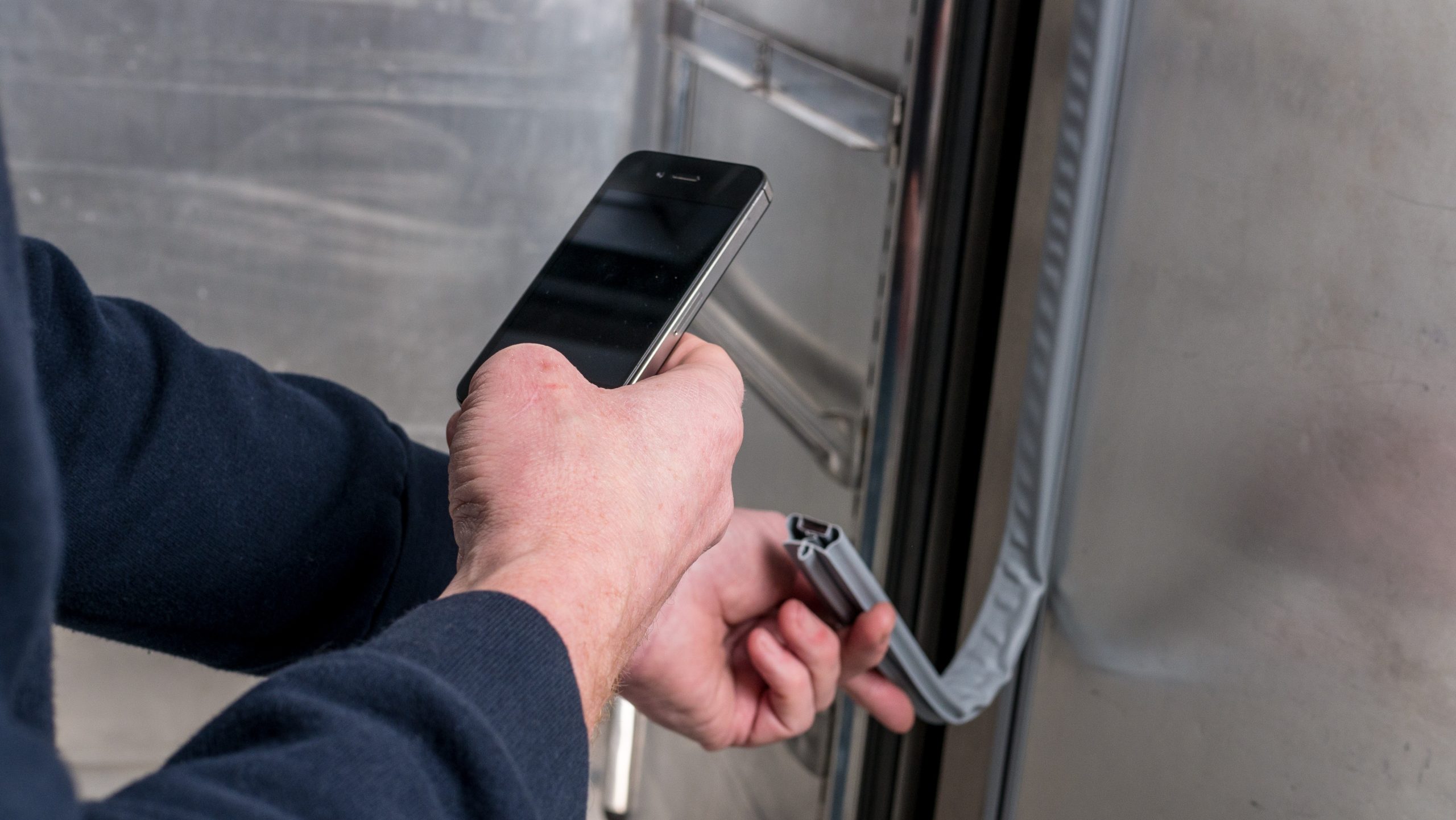
Step 3: Test and Inspect the Door Seal
Check for any damage or looseness. Clean the fridge seal with warm soapy water and dry it thoroughly. If the paper test still fails, you may need a door seal replacement.
Step 4: Rearrange Your Fridge
Avoid overloading. Leave space between items, especially around vents and walls. Don’t put hot food in directly; let it cool first.
Step 5: Clean the Coils
Unplug the fridge and gently clean the coils at the back or bottom using a brush or vacuum. Restore power after cleaning.
Step 6: Listen for Noises
A loud humming, clicking, or buzzing may point to fan or compressor issues. If these persist after cleaning and adjusting, it’s best to call a technician.
How Do I Lower My Refrigerator Temperature?
Lowering your fridge’s temperature can often be done in seconds:
- Digital display: Use the “+” and “–” buttons to lower the setting toward 1°C.
- Dial thermostat: Turn the dial to a higher number (often a higher number = colder temperature, but always check your manual if you’re unsure).
- Smart fridge: Adjust via the control panel or mobile app.
After adjusting the temperature, allow 24 hours for the new setting to stabilise. Use a fridge thermometer to confirm the internal temperature if unsure.
If the temperature doesn’t respond, the thermostat or sensor may be faulty and require repair.
Why Is the Temperature Rising in My Refrigerator?
Your fridge temperature may rise for a number of reasons, many of which relate to airflow or component failure. Common causes include:
- Leaving the door open for too long
- Frequent door opening during warm weather – a common issue in commercial settings, particularly when the fridge is frequently accessed.
- Power cuts or voltage fluctuations
- Old or worn-out parts (such as the compressor, fan, or sensor)
- Clogged condenser coils or blocked internal vents
- A faulty fridge door seal that is not sealing correctly, and therefore allows warm air to enter and cold air to escape
Even a small gap in the door seal can cause temperature fluctuations, forcing the fridge to work harder and still underperform. If the rubber gasket is loose, cracked, or doesn’t hold paper when shut, it likely needs replacing.
If the temperature continues to rise even after adjusting the settings, cleaning the coils, and checking the door seal, it’s time to book a professional service to avoid further damage or food spoilage.
How to Fix a High Temperature Warning on Fridge
Some fridges have alarms or digital warnings when temperatures exceed safe limits. Here’s what to do:
Step-by-step:
- Acknowledge or silence the alarm using the control panel.
- Check the door – has it been left ajar?
- Inspect the vents for any blockage.
- Allow the fridge to recover. If you’ve just restocked it, give it several hours to return to normal.
- Reset the alarm (if available) once the internal temperature returns to safe levels.
- Still flashing? Unplug the fridge for 5–10 minutes, then plug it back in to reset the control board.
If your fridge continues to trigger a high temperature warning even after taking these steps, it likely has a hardware or sensor issue.
When to Call a Professional
If none of the above steps resolve the issue, or you notice signs of serious failure (strange smells, water build-up or leaks, loud noises), it’s best to consult a qualified appliance repair technician.
Look out for:
- Non-responsive controls
- Fridge not cooling despite power
- Constant high temp warnings
- Visible damage to coils, components, or seal
How to Prevent Fridge Temperature Problems
Keeping your fridge healthy is easier than fixing it. Here’s how to stay ahead:
- Check door seals quarterly (or more frequently in high-traffic commercial settings)
- Don’t overload the shelves
- Clean coils every 6 months
- Monitor internal temps with a fridge thermometer
- Keep raw meat on the bottom shelf
- Cool leftovers before storing
- Schedule yearly appliance maintenance
For the complete guide to fridge efficiency, visit our guide.
Final Thoughts
If your fridge temperature is too high, the cause is usually mechanical or environmental, anything from a blocked vent or overstuffed shelves to a failing component. By identifying the reason quickly and acting on it, you can save food, energy, and potentially costly repairs.
If your fridge needs a new door seal, check out our fridge seal replacement guides and order genuine branded, non-branded or bespoke replacements for fast delivery.
If you’re unsure about the type of fridge seal you need, our experts are here to help.
Simply get in contact today for friendly assistance and a quote.
Alternatively, check out some of our other useful guides to get started:
Frequently Asked Questions
Is a fridge colder on 1 or 5?
In most fridges with a dial, 5 is colder than 1. The higher the number, the colder the temperature. Always check your model’s manual, as this can vary by brand.
How do you know if a refrigerator is overheating?
Signs of an overheating fridge include:
- A warm cabinet or back panel
- Loud, constant humming or clicking
- A high temperature warning on the display
- Food is spoiling faster than usual
Does turning a fridge up make it colder?
Yes, if your fridge uses a numbered dial, turning it up to a higher number usually makes it colder. However, in some models, “1” may be coldest. Always refer to the manual to be sure.
How much does fridge temperature rise when you open the door?
Opening the door allows warm air to enter quickly. The internal temperature can rise by 2–5°C in under 30 seconds, especially in warm environments or if the door is opened frequently. Try to minimise how often and how long you open the fridge.
What temperature should the top shelf of a fridge be?
The top shelf should ideally be around 3–4°C. This area is good for ready-to-eat foods, dairy, and leftovers. For safety, keep the overall fridge temperature between 1°C and 4°C.