

Mould on fridge door seals is a common problem faced by both commercial and domestic fridge users. It can lead to unpleasant odours, food contamination, and even seal damage. Not only does this affect the hygiene of your fridge, but it can also compromise its efficiency. In this guide, we will explore why mould forms on fridge door seals, how to clean them effectively, and the best ways to prevent it.
Quick Summary on How to Prevent Mould on Your Fridge Door Seals
In short, in order to prevent mould on fridge door seals, regularly clean the seals with a mild detergent, ensure they are fully dry, and maintain proper fridge temperature and ventilation. Check for damage and replace old seals if necessary. Now let’s explore in more detail!
Why Mould Forms on Fridge Door Seals
Mould can easily develop on fridge door seals due to constant exposure to moisture and warm air. When warm air enters the fridge, it creates condensation, which can lead to mould growth if not properly managed.
Common Causes of Mould
- Excess Moisture: High humidity in the fridge or kitchen can lead to condensation on the door seals.
- Food Particles: Small food debris trapped in the folds of the seal creates a perfect environment for mould.
- Infrequent Cleaning: A lack of regular maintenance allows moisture and debris to accumulate.
- Poor Ventilation: Warm air trapped in the fridge can create a damp environment, ideal for mould growth.
How to Clean and Prevent Mould on Fridge Door Seals
1. Regular Cleaning Routine
- Use a mild detergent and warm water to wipe down the seals.
- For stubborn mould, use a solution of baking soda and water or vinegar.
- Avoid harsh chemicals that could damage the seals.
- Dry thoroughly with a soft cloth.
- Make this part of your regular kitchen cleaning routine.
2. Deep Cleaning for Stubborn Mould
- Remove any food particles from the seal folds.
- Apply a solution of hydrogen peroxide for stubborn spots.
- Use a bleach solution (1 tablespoon per quart of water) for severe mould, but rinse thoroughly.
- Use an old toothbrush to scrub hard-to-reach areas.
- Rinse with clean water and dry thoroughly with a clean, dry cloth.
3. Maintain Proper Ventilation
- Set your fridge to the correct temperature (3-5°C for most refrigerators).
- Regularly clean the drip tray to prevent excess moisture buildup.
- Store food in airtight containers to reduce moisture exposure.
- Keep the kitchen ventilated, especially in humid weather.
When It’s Time to Replace Your Fridge Door Seals
If you keep finding mould on your fridge door seals despite regular cleaning, it may be a sign that the seals are damaged, and it’s time for a replacement seal. Worn, cracked, or warped seals can create gaps, allowing warm air to enter the fridge and cause condensation.
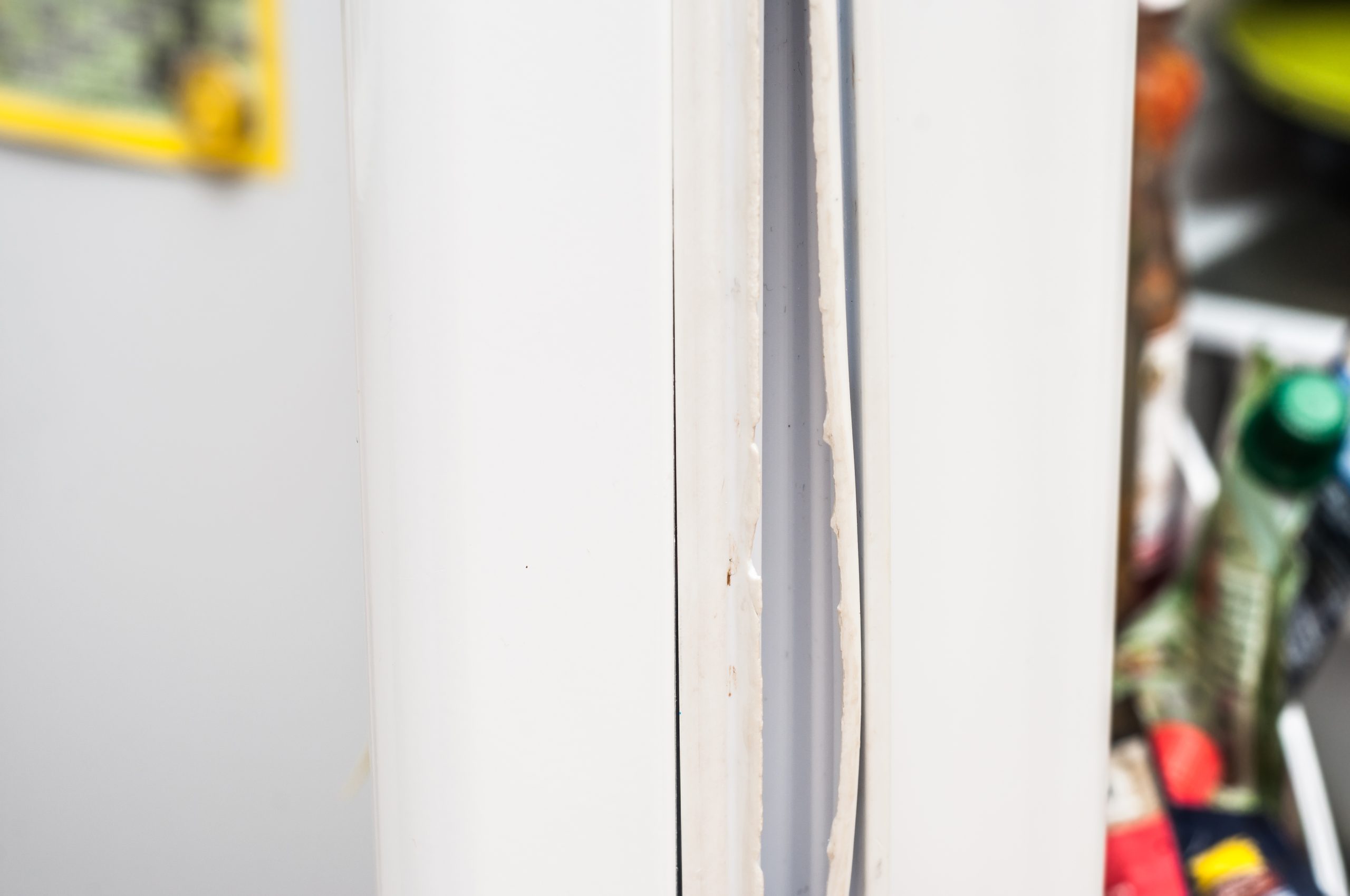
Signs You Need to Replace Your Fridge Seals
- Seals are visibly cracked, torn, or warped.
- Fridge struggles to maintain the correct temperature.
- Seals do not stick properly to the door frame.
- Persistent mould growth that cannot be cleaned.
Once you’ve got your replacement fridge or freezer seal, check out our quick guide for replacing your seal with ease.

Is it Safe to Use a Refrigerator with Mould?
Using a refrigerator with visible mould is not safe, especially if the mould is near food storage areas. Mould can spread to your food, leading to potential health risks. Regular cleaning and maintenance are essential to prevent this and ensure a healthy, fully operational fridge, whether in a commercial or domestic environment.
What to Do if You Find Mould in Your Fridge
- Remove any visibly mouldy food immediately.
- Clean all interior surfaces of the fridge using a solution of baking soda and water.
- Pay special attention to your fridge door seals, which are prone to mould growth.
- Adjust the temperature settings to maintain a cool, dry environment.
Conclusion
Preventing mould on fridge door seals is essential for maintaining a clean and efficient fridge. By following a regular cleaning routine, maintaining proper ventilation, and addressing any damage to the seals, you can keep your fridge hygienic and your food safe. If your seals are damaged beyond cleaning, it’s time to replace them to maintain your fridge’s efficiency and hygiene. Don’t wait – explore our range of branded seals and high-quality bespoke replacement gaskets today. If you need any assistance at all, get in contact with our friendly, expert team, who will be pleased to assist you.
FAQs about Mould on Fridge Door Seals
Why is my fridge going mouldy inside?
Mould in your fridge is often due to excess moisture, high humidity, or a lack of regular cleaning. Make sure to keep the fridge clean and ensure it is properly ventilated.
How do I stop mould from growing in my fridge?
Regular cleaning, proper ventilation, and maintaining the right temperature (3-5°C) are key. Use natural moisture absorbers like baking soda to prevent humidity if there appears to be a recurring issue while you seek replacement fridge seals.
Can I use bleach to clean mould on fridge seals?
Yes, but use a diluted solution (1 tablespoon of bleach per quart of water) and ensure you rinse thoroughly.