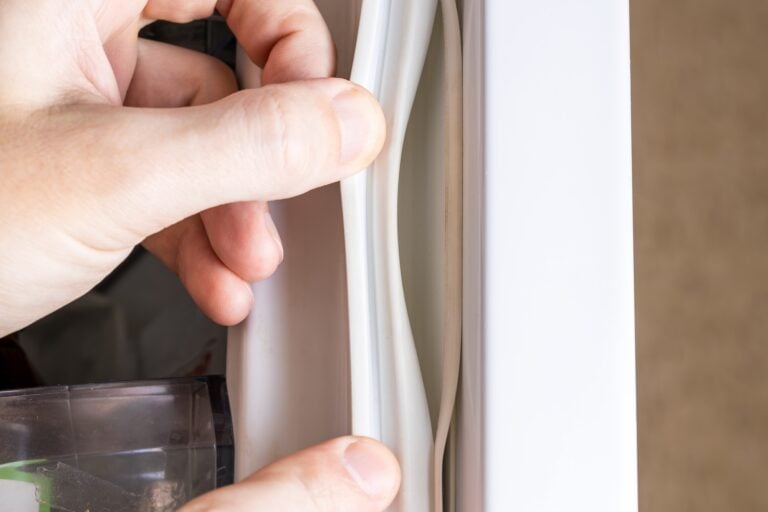
If you operate a commercial kitchen, restaurant, or food retail business, you may be relying on Foster refrigeration equipment to keep stock fresh and safe. Whether it’s a storage cabinet, blast chiller, prep counter, or walk-in cold room, the door seal plays a critical role in maintaining temperature stability and energy efficiency. When that seal fails (as all seals eventually do), knowing how to identify, measure, and replace it could save you a lot of money in downtime and repair costs.
This guide walks you through everything you need to know about Foster fridge & freezer seals: what makes them unique, how to spot problems early, and why sourcing a replacement from a specialist supplier is often faster and cheaper than waiting for an OEM part.
Brand Overview
Foster Refrigeration was established in 1968 and holds the distinction of being the first company in the UK to manufacture commercial refrigeration equipment. Based in Norfolk, Foster is now part of ITW, a global manufacturer whose portfolio also includes Gamko, Dexion, Hobart, and Traulsen. Today, Foster is synonymous with reliable, energy-efficient commercial refrigeration across hospitality, retail, food manufacturing, and institutional sectors.
The brand is known for robust engineering and long product lifespans. That said, one component often wears faster than others: the door seal. Understanding how Foster units are built and used helps explain why seals need regular attention.
Foster Seal Profiles at a Glance
Foster uses four primary seal profiles. Understanding which one your unit needs makes ordering a replacement straightforward.
- TSC-2031-D (Dart Profile) is the most common Foster seal. Its has an easy-fit push-in design and wipe-clean shape, which make it an excellent choice for high-traffic environments. It’s applied across all sizes of Foster units, from drawer seals up to walk-in coldroom door seals. If your Foster model isn’t specified, this is the profile to start with.
- TSC-2005-D (Magnetic Profile) is most commonly used as a large walk-in fridge seal. It features a magnet strip to hold the door closed without requiring a manual latch. Foster uses this profile across their whole range, but it’s particularly prevalent on walk-in models and heavy-duty storage cabinets. The measurement method for this seal depends on the unit type. For walk-in cold rooms, measure on the mid-line (dart centres). All other Foster units (such as storage cabinets, counters, prep stations) should be measured from the outside edges.
- TSC-2033-D (Balloon Profile) is used exclusively for bespoke made walk-in cold rooms with mechanical latch mechanisms. Unlike the magnetic profile, this seal doesn’t include a magnet. Instead, it relies on a door latch or lock to hold the door closed. If you need to measure it, measure from the outside edges of the door cavity.
- TSC-2008-D (Glass-Front Profile) serves refrigerated display units and is used exclusively for Foster glass-fronted door seals (part number 01-257028-01).
Where to Get a Foster Seal
When a Foster seal fails, you have two paths: order from Foster directly or choose an OEM-quality replacement from a specialist supplier.
Foster’s official route means contacting a service partner or authorised dealer. This can involve longer lead times and higher costs due to manufacturer overhead and service network expenses.
Specialist suppliers are often a more economical alternative, offering the same genuine-brand quality with the added benefit of a quicker, more straightforward purchasing process and faster turnaround. At The Seal Company, we stock over 1,400 Foster seals in our dedicated Foster seal range, at competitive prices. This makes it easy to find the right seal for your model. All Foster seal profiles are kept in stock. Orders placed before 12 pm are manufactured and dispatched the same day for next-day delivery.

Foster Products We Supply Seals For
The Seal Company manufactures and supplies OEM-quality door seals for the full Foster refrigeration range. We cover:
- Storage cabinets: EcoPro G3, Slimline, XTRA, Gastronorm Roll-Ins, Bakery, and Cold Stores
- Storage counters: EcoPro G3, XTRA, and Undercounter models
- Blast chillers & freezers: Standard Blast Chillers and Freezers, XTRA Blast Chillers, Modular units, and Controlled Thaw models
- Prep ranges: Prep Stations and Prep Tables
- Walk-in cold rooms: Bespoke Foster walk-in cold rooms. Select your profile and enter your exact measurements to order a custom-made seal.
Most popular models are stocked for rapid delivery. If your specific model isn’t listed as pre-made stock, our team can manufacture a bespoke seal to your exact cavity dimensions.
How Foster Seals Wear in Commercial Kitchens
Foster refrigeration is engineered for the demands of commercial kitchens, but this heavy-duty environment can still accelerate seal wear. Storage cabinets and prep counters see constant use, often with 50+ door cycles daily in a busy restaurant kitchen. XTRA blast chillers face the most severe conditions: these units rapidly pull food temperatures from +70°C to +3°C in under 90 minutes, then return to room temperature during defrost cycles. That repeated thermal shock accelerates rubber degradation far faster than steady-state storage cabinets.
Foster door seals also accumulate food debris, grease, and mould, which builds up in the gasket folds and compromises the seal over time. This is often the case even with efforts to prevent mould from growing and condensation from pooling.
Expected lifespan for Foster seals in commercial use:
- PVC seals: 6 months to 3 years, depending on usage intensity
- EPDM seals: 2–3 years in high-traffic environments
- Blast chiller seals: Degrade faster due to thermal cycling
Regular inspection and timely replacement keep your Foster unit running efficiently, reduce compressor workload, and protect food safety compliance during EHO inspections
Troubleshooting: Common Foster Seal Issues
Your Foster seal may be failing if you notice any of these signs that it’s time to replace the seal. Use the table below to identify which problem you’re experiencing and what it means for your seal:
| Problem | What It Indicates |
| Temperature fluctuations or unit running constantly | Worn seal losing elasticity. Small gaps form around the perimeter, allowing warm air to leak in. This forces the compressor to work overtime. |
| Visible frost or condensation around the door frame | Seal failure. Warm air enters the cold interior, condenses, and freezes on the seal or frame. Replacement is required if you cannot stop frost forming despite regular cleaning. |
| Visible gaps, cracks, or tears in the gasket | Physical seal damage. Look for splits, hardened or brittle rubber, visible wear at corners, or sections not sitting flush against the frame. Replacement is urgently needed. |
| Door pops open slightly or feels loose, like it’s not sealing correctly | Compressed or worn seal that’s lost its grip. Test with the paper method: close the door on a sheet of paper and try to pull it out. If it slides free with minimal resistance, the seal needs replacing. |
| Mould or black spots on the gasket | Moisture retention and food safety risk. Food debris and moisture accumulate in seal folds. While surface cleaning may help, repeated mould indicates a wider issue and the seal should likely be replaced. |
How to Identify and Measure Your Foster Seal
Check the unit’s visual characteristics. Foster refrigeration has predominantly stainless steel construction (often 304-grade on high-wear areas), clean lines, and a professional appearance. EcoPro G3 models feature one-piece self-closing doors with easy-to-clean finishes. XTRA blast chillers come equipped with 80mm castors. These details help confirm you’re dealing with genuine Foster equipment.
To identify the correct replacement seal, start by finding the model or serial number on your unit’s dataplate. Search this number on our website to see if there is a corresponding Foster seal available.
If your model number isn’t listed within our branded Foster range, it’s still worth searching for it on our website. We stock pre-made own-brand seals suitable for many Foster units, so there may already be a compatible replacement available without the need for a custom order. If you provide either the serial or model number, we can find the corresponding Foster part number.
If you can’t find a suitable seal, or your Foster model is older or discontinued, we can manufacture a custom bespoke seal to fit. Bespoke gaskets are particularly useful when an original replacement is no longer available, and in many cases, the required seal profile or dimensions may already exist in our database.
If a completely custom seal is required, you’ll need to take accurate measurements of the internal door cavity. To order a custom bespoke seal, measure the cavity width and height in millimetres at several points to account for any variation. You should also check the corner details, including whether they are square or rounded, and note any non-standard features that could affect the fit.
Take care when measuring:
- Don’t measure the door itself. It will be slightly larger than the cavity to allow it to close correctly.
- Measure at multiple points around the cavity, as dimensions can vary slightly between the top, middle and bottom.
- Don’t assume all four corners have the same radius. Check each one before ordering.
Once you have your measurements, we can use them alongside any available model information to identify the correct profile, check whether a suitable seal already exists or provide a quote for a completely custom replacement.
If you’re still unsure what type of seal you need, simply use our Seal ID service, and we can help you find the correct replacement.
How to Replace a Foster Seal
For some smaller issues, repairing a seal yourself is often possible. However, this rarely provides a proper long-term fix. In commercial kitchens, regular replacement protects you against food safety compliance issues and EHO inspection failures.
For larger problems, replacement may be needed. Replacing a Foster seal is typically straightforward. For dart-profile seals, you often can simply pull out the old one and push the new seal into the slot. You can also see our video replacement guide for more in-depth instructions or our step-by-step guide below.
Step by step:
- Step 1: Prepare
- Lay the new seal flat for a few hours to remove kinks. A warm, hairdryer-softened seal fits more easily.
- Switch off power or set blast chillers to defrost mode. Allow 1–2 hours for the unit to warm—cold seals tear easily.
- Step 2: Remove Old Seal
- Start at a corner and slowly pull the seal from the groove. Work carefully to avoid damaging the channel.
- Step 3: Clean the Groove
- Wipe with mild detergent and dry thoroughly. Remove any mould, debris, or residue.
- File smooth any burrs or sharp edges.
- Step 4: Fit the New Seal
- Anchor the corners first, then work along the top, bottom, and sides. Use steady, even pressure—don’t overstretch.
- Use a blunt tool or knuckle to press stubborn areas without damage.
- Step 5: Test
- Close the door and check for gaps or wrinkles. For more guidance on achieving a perfect seal, watch our video instructions. If gaps persist, using a hairdryer can help:
- Once you are done, perform the paper test: close the door on paper and pull. If it grips firmly, you’re all good. If it slides free, reseat the seal.
- Aftercare
- Clean regularly with mild detergent to prevent mould.
- Provide regular maintenance
- Check periodically to ensure it remains snug.
When to Call a Refrigeration Engineer
Not every seal problem requires professional help, but some situations demand it. Knowing when to stop and call a technician prevents further damage and protects your food safety compliance.
Call an engineer if the door won’t close properly or remains misaligned after seal replacement. This suggests hinge damage or door frame warping, neither of which a new seal alone will fix. Worn hinge pins create visible gaps along the door edge even with a perfect seal. Left unaddressed, misalignment accelerates seal wear and prevents proper temperature maintenance.
If temperature won’t stabilise despite installing a new, correctly fitted seal, the problem lies elsewhere: a failing compressor, thermostat malfunction, or airflow obstruction inside the unit. These are mechanical issues beyond seal replacement.
Repeated seal failures within 12 months point to an underlying issue. This might be cavity warping, persistent hinge misalignment, or frame damage that damages each new seal prematurely. An engineer can diagnose the root cause and recommend corrective action.
If your unit is under manufacturer warranty, any premature seal failure may trigger warranty service. Contact Foster or your authorised service provider before attempting replacement, as doing so yourself could void coverage.
Why A Working Fridge Seal Matters
A commercial kitchen fridge offline for weeks waiting for an OEM seal can come with many risks and practical business problems. It often means lost revenue, spoiled stock, cancelled orders, and potential food safety compliance issues. Installing a new seal can often be done within an hour, so it is better not to postpone.
Foster refrigeration equipment is built to last, but seals are wear items. Recognising the signs of degradation, knowing how to measure accurately, and sourcing a replacement quickly keeps your operation running smoothly and your food safe.
The Seal Company provides bespoke, made to order seals for popular Foster models, often with next-day delivery. We can manufacture custom bespoke seals to your exact measurements.
Ready to replace your Foster seal? Start by finding your model number on your unit’s nameplate. Then browse Foster seals, filter by your model, and order online. If your model isn’t listed, our team can still provide a bespoke quote.
Not sure which seal you need? Use our identification guide or contact our experts.