A fridge or freezer door seal is a small, inexpensive component, but keeping it in good order takes more than an occasional glance, and what “managing it well” actually looks like depends on the kind of business you’re running. An independent business owner, a refrigeration engineer servicing dozens of sites, a national facilities team running hundreds of locations, and a refrigeration manufacturer building units at scale all run into friction with seals at some point, just rarely the same kind of friction.
We’ve spent over 15 years supplying all four, so we’ve seen these pain points play out from every angle, and built our service around solving them. This guide walks through seven of the ones we hear about most, and how to solve each one.
1. Identifying the correct seal first time
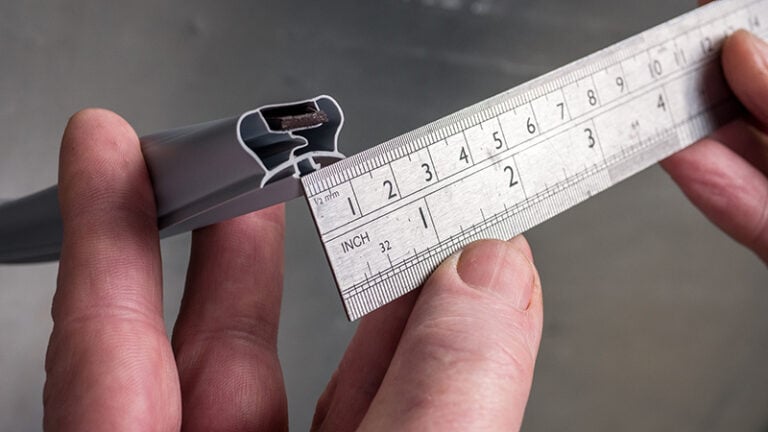
Seals vary by profile, fixing type, dimensions and material, and small differences are easy to miss without training. For an independent business, ordering the wrong one means the fridge is still out of action, plus a return to sort out. For an engineer working across unfamiliar makes and models on-site, a misidentified seal means a wasted visit and a callback.
Our seal photo ID service and Identify, Measure & Replace guides remove the guesswork for independents, and engineers get sample boxes with visual profile matching so the right seal is identified on-site, every time.
2. Long lead times that leave equipment out of action
Ordering direct from an equipment manufacturer or overseas suppliers can mean weeks and sometimes months of waiting for what should be a same-day fix, and every day spent waiting is a day of lost trading time for an independent business or a job an engineer can’t close out.
This was the exact problem for a refrigeration engineer servicing 300+ Tesco and Asda stores: their previous supplier was taking 1–2 weeks per order, and a specialist silicone profile was coming from a European supplier with delays stretching to several months. We moved smaller orders onto next-day delivery, brought the silicone profiles in-house for UK manufacture, and cut their costs in the process. That same next-day standard, on any order placed before 12pm, is what stops a slow supply chain costing anyone, independent business, engineer or facilities team, a day of downtime they didn’t need to have.
3. Inconsistent quality causing early failures and repeat callbacks
A seal that fits on day one but splits or loses shape within months creates the same problem all over again, and at volume, one inconsistent batch means dozens of early failures rather than one. For a manufacturer building seals into new units, batch-to-batch inconsistency is a warranty and reputation risk that can’t be absorbed.
We’re already the OEM seal supplier to multiple refrigeration manufacturers, which is why every seal is built to the same production-grade standard with rigorous QC checks, regardless of order size, whether that’s a one-off engineer callout or a production run of several thousand units.
4. Paying over the odds for a simple part
Sourcing a replacement seal through the original equipment supply chain often carries a mark-up that has little to do with what the part actually costs to make, and for an engineer, that eats straight into the margin on every job.
Because we manufacture everything in-house, we can often offer prices up to 40% cheaper than sourcing direct, without cutting corners on quality. That’s exactly what played out in our supermarket engineer case study, where moving to us brought pricing around 40% lower across all profiles, on top of the trade pricing available to every engineer with no minimum order quantities.
5. Inconsistent pricing and fragmented ordering across multiple sites
For a national facilities or hospitality group running hundreds of outlets, the issue isn’t sourcing one seal, it’s doing it consistently everywhere: different fridge models per site, pricing that varies order to order, and local staff without the technical knowledge to identify the right part, all of which makes budgeting and admin harder than it should be.
A national franchise management company came to us with exactly this problem. We catalogued every fridge and freezer model across their outlets, built a dedicated order form with approved models and part numbers so outlet staff could order accurately with no technical training, and moved them onto standard pricing with same-day dispatch and a 24-hour turnaround in most cases. That’s the same model behind our multi-site supply service for facilities and hospitality groups more broadly.
6. Fitting a seal means booking an engineer
Not every business has in-house technical staff, and calling one out for a simple part swap adds cost and delay to something that’s often quick to fix. It’s a familiar frustration for independent operators without a maintenance team, and for facilities groups who’d rather their own site staff handled it.
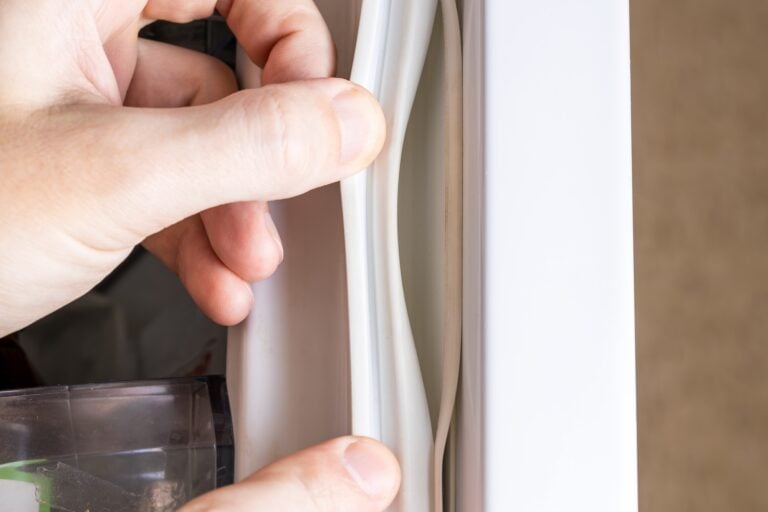
The good news? All of our seals can be fitted without a specialist. We provide clear fitting instructions with every order, plus a full library of step-by-step installation guides on our website, so site teams and independent operators alike can fit a seal correctly without specialist tools or training.
7. Juggling multiple suppliers for one small component
Branded seals, bespoke profiles, PVC curtains and door blades often end up sourced from different suppliers, adding invoices, admin and points of failure. This is a headache for facilities groups managing an estate, and it extends further for manufacturers, who also need white-label fulfilment so replacement seals reach their customers under their own branding rather than a third party’s.
We supply branded seals, bespoke profiles, PVC curtains and door blades from a single source, with white-label fulfilment for manufacturers delivering direct to their customers under their own brand, and a single dedicated account for facilities groups consolidating everything from custom order forms to invoicing.
Closing thoughts
Whichever of these sounds most familiar, the root cause is usually the same: a component that should be simple to source ends up costing time, money or both when the supply chain around it isn’t built for how you actually operate. Get that right, and seals stop being a logistical challenge and become one less thing to think about, whether you’re ordering one a year or several thousand.
If any of these pain points sound familiar, find your business type below, or get in touch and we’ll talk through what a better setup looks like for you.