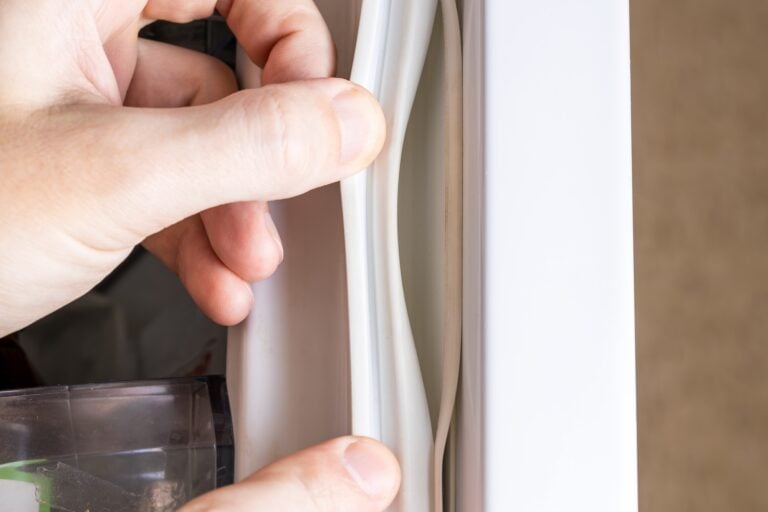
Chest freezers are workhorses in commercial kitchens, bakeries, and catering operations: reliable, energy-efficient, and built for bulk storage. But their horizontal lid seals face unique stresses that often cause them to fail faster than upright freezer doors. Understanding why these seals deteriorate and what you can do to prevent failure could save your operation thousands in energy costs and food waste.
In this guide, we will explain the mechanics of chest freezer lid failures, the commercial pressures that accelerate wear, and practical steps to extend seal life and protect your inventory.
What Causes Chest Freezer Lids to Fail Faster Than Upright Doors?
Chest freezer seals fail differently (and often faster) than vertical fridge or freezer door seals. The reasons are structural, environmental, and often use-related.
- Horizontal seal design & condensation pooling
- Hinge wear & lid misalignment
- Gasket material hardening & compression failure
- Commercial use pressures
1. Horizontal Seal Design & Condensation Pooling
A chest freezer seal sits horizontally around a top-opening lid. While it usually benefits from gravity-assisted pressure and you can take steps to prevent mould and condensation pooling, it can still happen. Unlike vertical seals that shed moisture naturally, horizontal seals trap water on their surface. This pooled condensation freezes and thaws repeatedly. This can break down the rubber material, encourage mould growth, and reduce the seal’s ability to spring back.
2. Hinge Wear & Lid Misalignment
The lid must sit flat and level to compress the gasket evenly against the freezer cabinet. Hinges wear out over time, and misalignment can prevent the lid from closing squarely. This introduces air gaps even if the seal material itself is intact. In commercial kitchens with dozens of daily lid openings, hinge stress compounds rapidly. A lid that rocks or sits unevenly forces the seal to compress inconsistently, which will wear some areas faster than others.
As our in-house expert explains in our ‘how to achieve a perfect seal’ video:
“Look around the door and make sure the gasket is sealing properly. Many doors on older fridges sometimes become warped from age and use. Also, the unit will often become uneven. These factors will often affect whether the seal meets all the way around, as the old seal will have stretched over time to accommodate these factors.”
3. Gasket Material Hardening & Compression Failure
Gaskets can suffer from compression failure, where the material permanently deforms and loses its ability to spring back against the freezer body. The extreme temperature differential between the freezer’s interior (typically -18°C in line with food standards guidance) and the warm kitchen air causes freeze-thaw cycling that hardens rubber over time. Chest freezer seals often deteriorate faster than standard fridge seals because the temperature difference between the freezer compartment and the surrounding room is much greater. As moisture condenses and freezes around the gasket, the seal can crack, flatten, harden, or lose its grip over time.
4. Commercial Use Pressures
In hospitality and catering settings, the stress on chest freezer seals accelerates dramatically. In a high-volume kitchen where a freezer is accessed dozens of times an hour, the gasket endures significant stress, compression, and temperature changes. Grease splatters from nearby cooking stations, spilled food debris, and high humidity all degrade fridge seal materials faster. Staff members who are rushing between tasks may not close lids fully or may apply uneven pressure, which can skew alignment further.
How to Prevent Chest Freezer Lid Seal Failure
1. Maintain Proper Lid Levelling & Hinge Alignment
If the freezer is not level, it could cause the lid not to seal correctly.
- Check levelness monthly: Use a spirit level on both the front-to-back and side-to-side axes.
- Inspect hinges regularly: Look for rust, stiffness, or play in the hinge pins. Lubricating the hinge pins with a non-toxic lubricant like mineral oil or a silicone spray restores smooth operation and ensures the lid settles into its correct resting position.
- Adjust misaligned lids: If the lid sits unevenly, slightly loosen hinge mounting screws and shift the lid until it sits flush before retightening.
2. Clean Seals Weekly
Dirt, grease, and food particles prevent proper seal contact and accelerate deterioration. Cleaning your freezer seals weekly can help maintain their functionality.
- Use warm soapy water: Wipe the entire seal edge thoroughly, paying attention to corners and the underside where moisture pools.
- Dry completely: Moisture left on the seal can encourage mould growth in the horizontal trough.
- Remove stubborn grease: For kitchens near cooking stations, use a degreaser which is safe for rubber.
3. Reduce Lid Opening Frequency & Train Staff
Every time the lid opens, warm, humid kitchen air floods in. Limiting the frequency of opening the lid reduces warm air entering.
- Consolidate pulls: Train kitchen staff to retrieve multiple items in one opening rather than across multiple visits.
- Ensure full closure: Verify that the lid closes completely and settles into place correctly. A partially closed lid is a common cause of seal failure in busy kitchens.
- Monitor high-traffic periods: Peak service times mean more frequent openings. It’s a good idea to allocate extra inspection time as part of your routine seal management to units in heavily used areas.
4. Defrost Regularly to Prevent Condensation Buildup
Frost and ice block airflow and force the compressor to work harder. This strains the seal further.
- Schedule manual defrosts: Even frost-free models often benefit from quarterly manual defrosting to clear condensation traps.
- Check drainage: Ensure that the defrost drains and vents are clear. Blocked drainage creates pooling that can damage the seal from underneath.
- Monitor frost accumulation: If frost builds up inside the freezer despite maintenance, the seal is likely failing and should be inspected.
5. Inspect Seals Weekly for Early Warning Signs
Catching problems early prevents costly compressor overload and food spoilage.
- The paper test: Close the lid on a piece of paper. If it slips out easily, the seal needs adjustment or replacement.
- Look for visible damage: Cracks, tears, brittle or hard patches, and areas where the seal no longer rebounds indicate replacement is needed.
- Check for mould: Mould around the seal indicates that moisture is pooling. This is a sign that compression is failing even if physical damage isn’t visible yet.
6. Position Units with Adequate Ventilation
Allow at least 3″ (7.5 cm) of air space at the top and on both sides of the freezer and 1″ (2.5 cm) between the back of the freezer and the wall. Units which are placed too close to ovens, steamers, or in direct sunlight will force the compressor to work harder. This can strain the seal indirectly and shorten its lifespan.
A Failing Chest Freezer Lid Seal Can Cost You
A leaking seal forces your freezer to run constantly to maintain temperature. This drives up energy consumption and operating costs. Beyond energy bills, frost buildup from a failed seal reduces usable storage space, risks food spoilage, and can trigger compressor failure if ignored (at which point replacement rather than repair is often needed). The longer a seal goes unaddressed, the more expensive the consequences can become.
When to Replace Your Chest Freezer Lid Seal
If you catch issues early, repairing your seal may be possible. However, it is also important to acknowledge signs that it is time to replace your freezer’s seal. These signs include visible cracks or tears, the lid not closing or sealing properly, or excessive frost near the lid area. For 99% of chest freezers with a dart fitting, the TSC-2038-D dart-fixing seal is a suitable replacement seal.
Once you have ordered your replacement, our guides to identifying and replacing your seal will walk you through the process.
Final Thoughts
Chest freezer lid seals often fail faster than upright seals because of their horizontal design, the pooling condensation they trap, and the high-use environment of commercial kitchens. However, with a proactive approach, you can prevent costly failures and keep your inventory safe.
Key steps to prevent chest freezer lid seal failure include:
- Check lid seals weekly for cracks, brittleness, and debris buildup.
- Keep the lid level and ensure hinges operate smoothly.
- Limit door openings and train staff on proper use.
- Clean seals regularly with warm soapy water to remove grease and food particles.
- Defrost regularly to prevent condensation pooling and mould.
- Replace seals at first signs of wear to avoid compressor overload.
If you’re unsure whether your seal should be repaired or requires a replacement, get in touch with our team. We will help you choose the right solution for your commercial freezer.
Frequently Asked Questions About Chest Freezers
How long should a commercial chest freezer seal last?
The lifespan of a commercial freezer seal typically ranges from 6 months to 4 years, but this is highly dependent on usage. In high-volume kitchens, expect the lower end. In lower-traffic operations with good maintenance, seals can last 3 to 4 years.
What’s the average lifespan of a chest freezer?
A well-maintained commercial chest freezer typically lasts 10 to 15 years. However, preventive maintenance such as gasket upkeep reduces the risk of compressor failure by up to 90% and can extend equipment life further. Neglecting seal maintenance, on the other hand, can cut this in half.
Why is my freezer lid not closing properly?
The lid may be unlevel, hinges may be worn or misaligned, the seal may be hardened or flattened, or the lid itself may be warped or dented. Start by checking levelness and hinge operation. If those are fine, the seal likely needs replacement.
What are the advantages of a chest freezer?
Chest freezers are energy-efficient for bulk storage, have excellent capacity-to-footprint ratios, lose less cold air per opening than upright models (because cold air sinks), and are generally reliable in commercial settings.
What are the disadvantages of a chest freezer?
The horizontal seals of chest freezers are prone to condensation pooling and mould. They also occupy more floor space than reach-in models, and accessing items at the bottom can be awkward in busy kitchens. Staff may also neglect to close lids fully, causing seal stress.
Is it better to keep a chest freezer full?
Partially full freezers allow air to circulate better and reduce compressor strain. However, a reasonably stocked freezer (70–80% full) operates more efficiently than an empty one, as the product acts as thermal mass. The key is not to not overpack, as this can block vents.